






When you finally move into your new home, here’s what you can typically expect:
- The developer and builder will continue their work around your property as your lot grading and sodding may not be complete and other homes may still be under construction
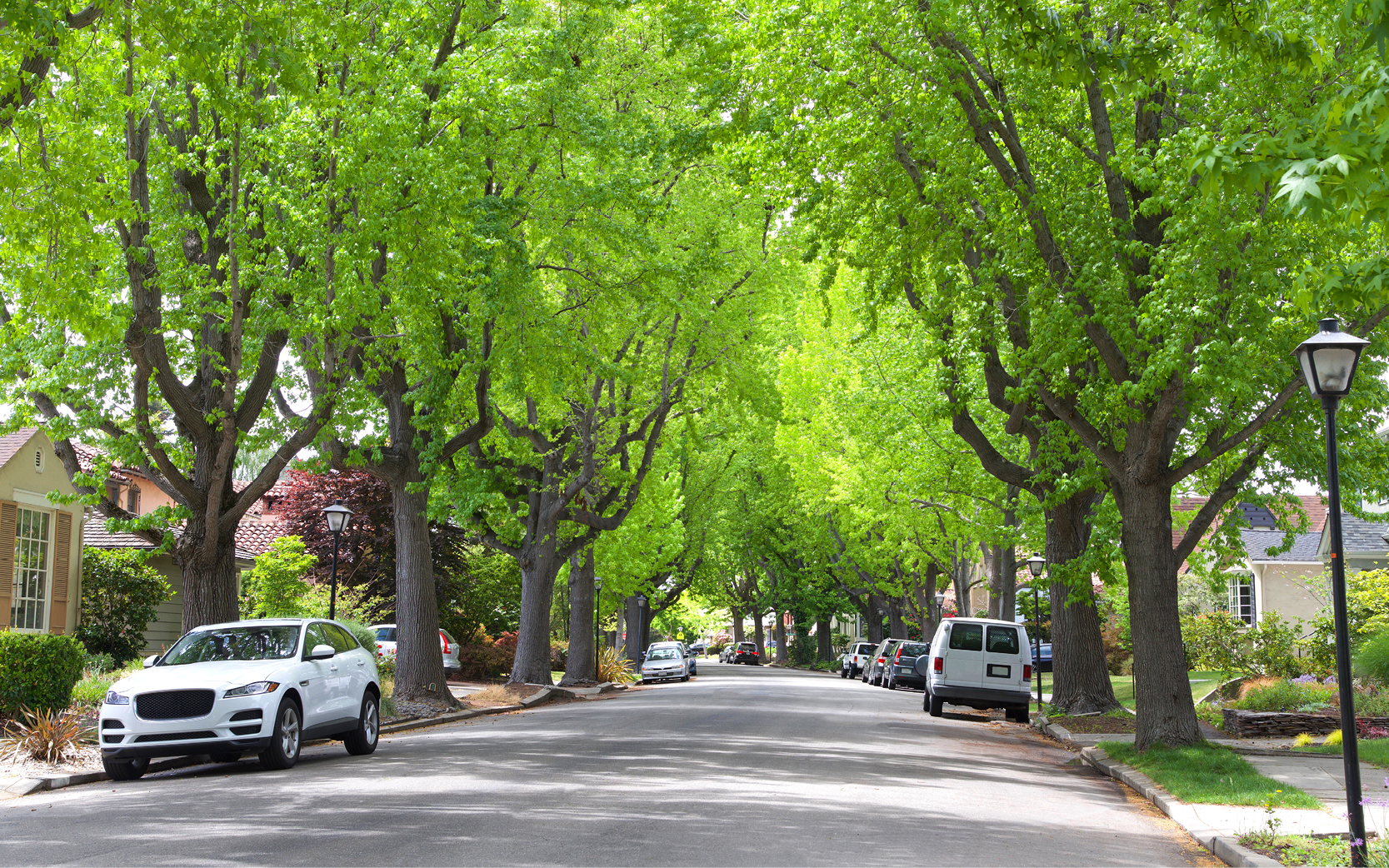
- The builder is still responsible to keep roads clear and safe for traffic including cars, garbage trucks, and for service, delivery and emergency vehicles
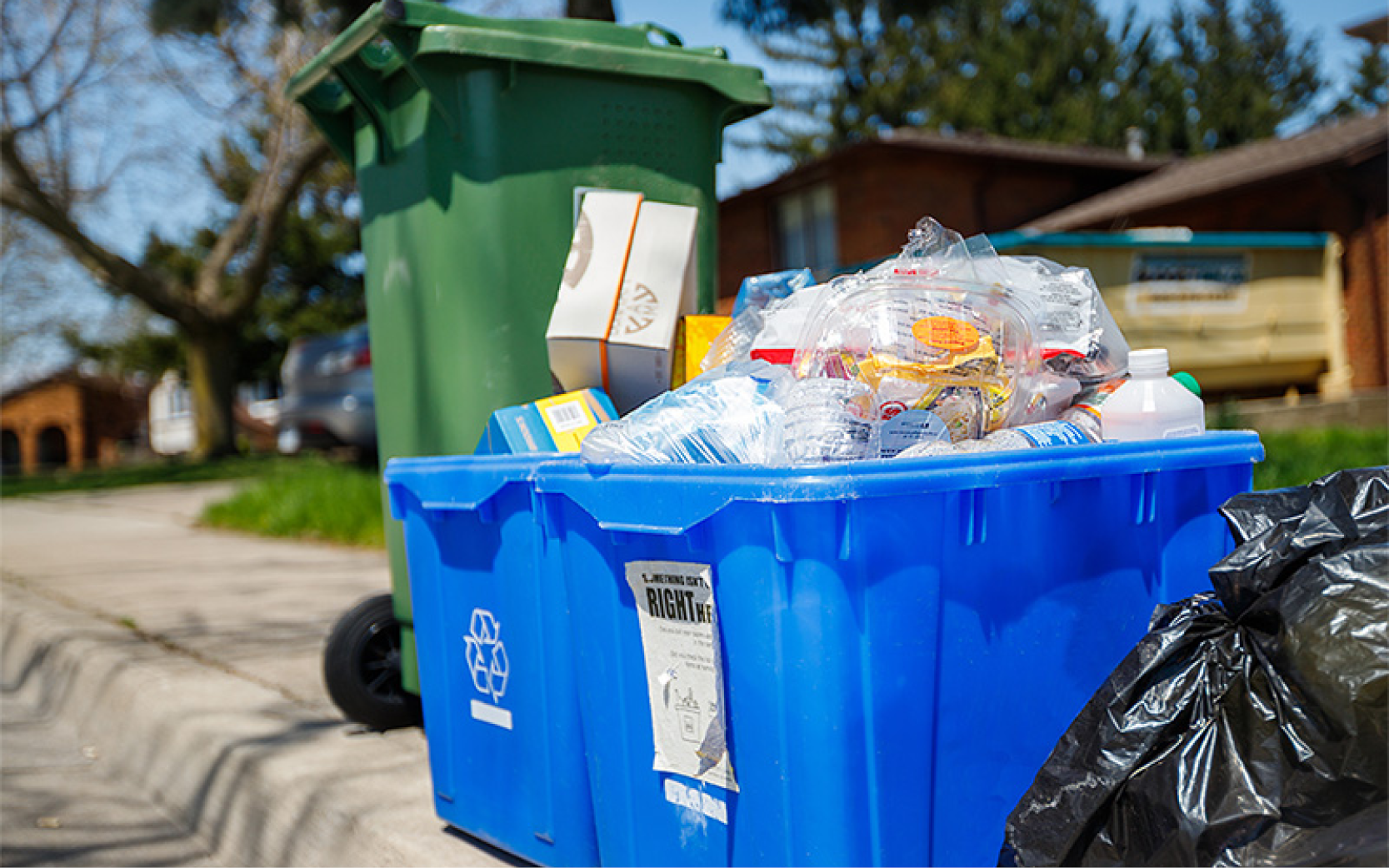
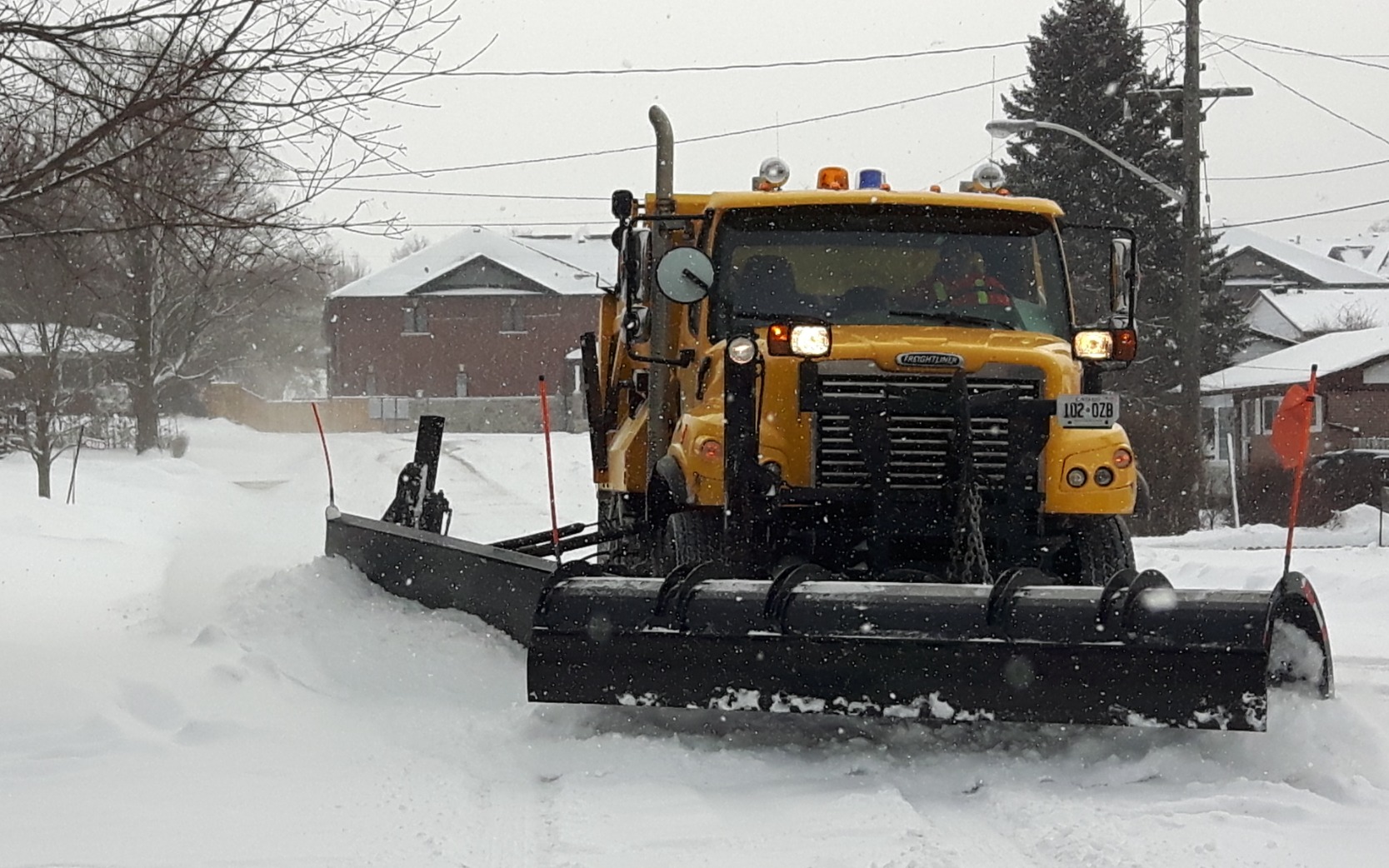
- The Town is responsible for snow removal and garbage pickup
- Construction of neighbourhood parks may still be in progress
- Sidewalks may not be completed
- Maintenance may be required for underground infrastructure so be aware of work crews inspecting sewers and flushing hydrants
- Completion of curbs and final road paving are one of the final steps prior to Town acceptance and the start of the maintenance period
- Other lots within the subdivision may be under construction or vacant when you move in
The Town is clear about its expectations of developers’ site maintenance. If you have any questions or concerns please contact the Town.
Living in a Construction Zone
All new subdivisions have nuisances pertaining to noise, traffic, dust and debris. As these can be an annoyance to homeowners, the Town requires the developer/builder to minimize them wherever possible.
Homeowners are asked to have patience and contact their builder regarding any concerns.
Documents
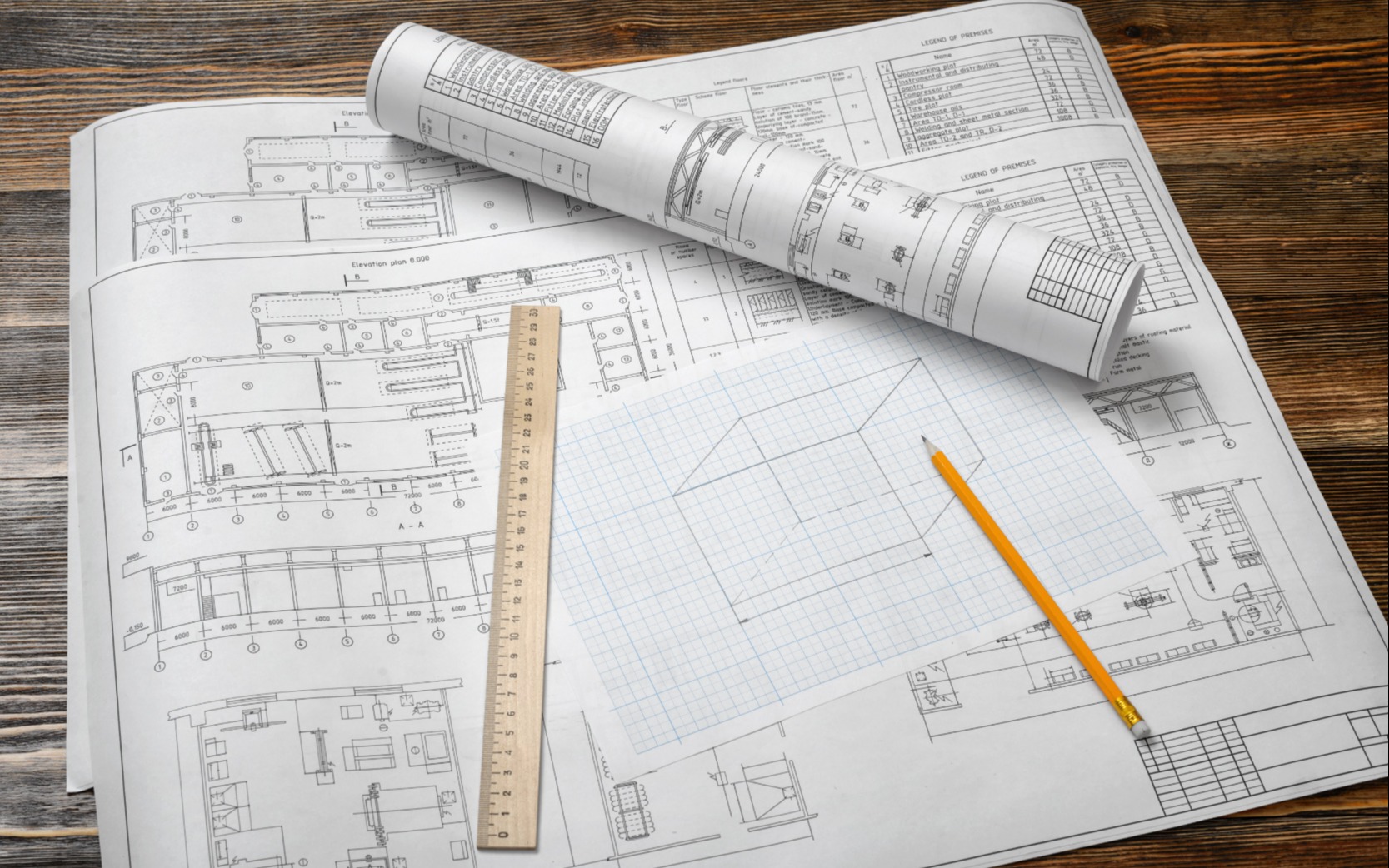
There are several important documents you should review when buying a new home. These documents and plans will help familiarize you with your new home and neighbourhood. They may include legal jargon and it may be helpful to have your solicitor review the documents with you.
Subdivision Agreement
A subdivision agreement is a legal document that clearly states the developer’s obligations to the municipality for construction of roads, sewers, watermains, parks, open spaces and other services in your subdivision. Purchasers are urged to review these agreements with their solicitor, especially the warning clauses and special conditions, before signing purchase documents.
Warning Clauses
Warning clauses alert new homeowners to specific items related to their subdivision. These may include noise, environmental restrictions, use of public spaces, etc. Agreements of purchase and sale for new homes will include clauses to point out these items.
Utility Plans
Utility plans include above-ground structures associated with utilities and services such as electrical transformers, telephone pedestals, community mailboxes, and streetlights. This information should be posted in the subdivision sales office once available. For inquiries regarding community mailboxes, please contact Canada Post at 1-866-607-6301. For information about cable TV boxes, or internet, please contact a local service provider. For all other inquiries please ask your builder.
Grading and Site Plans
Grading plans outline the change in grade or elevation for the site. A grading plan of your specific lot is available at the sales office. These plans are helpful because your property may appear flat when in fact it could include slopes or drainage features such as:
- Swales – shallow grassed drainage channels with gently sloping sides to collect and direct storm water
- Retaining walls – structures that hold back soil and replace undesired steep slopes
- Slopes – a vertical rise or fall. For example, in the grading plan shown, it may not be obvious from the overhead view (figure 1) that there is a drop of 2 meters in the grade of the property. This only becomes clear when you see an elevation view (figure 2). Elevation plans may not always be available, however, the developer should be able to describe this to you based on the grading plan. Many factors may be important in your purchasing decision and we recommend that you learn as much as you can about the property before you buy it.
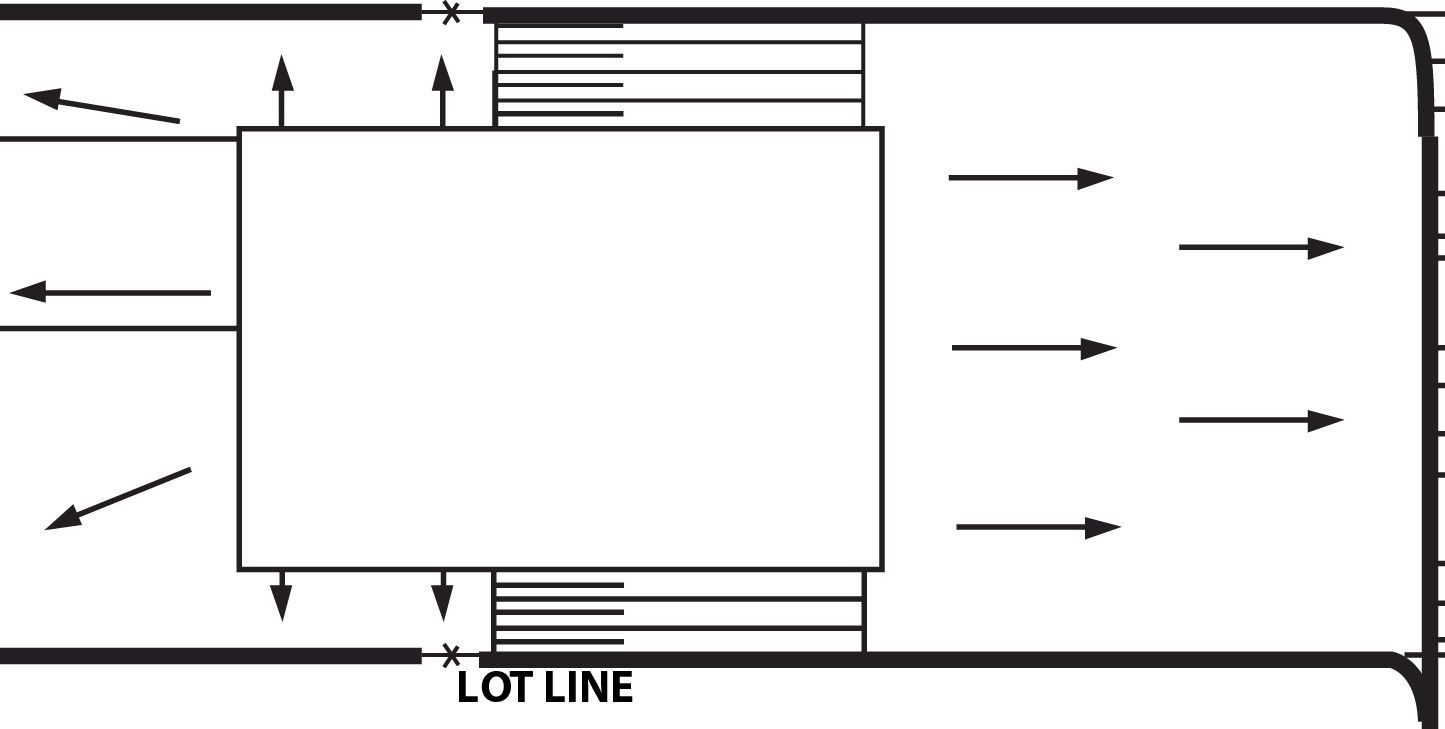
Figure 1
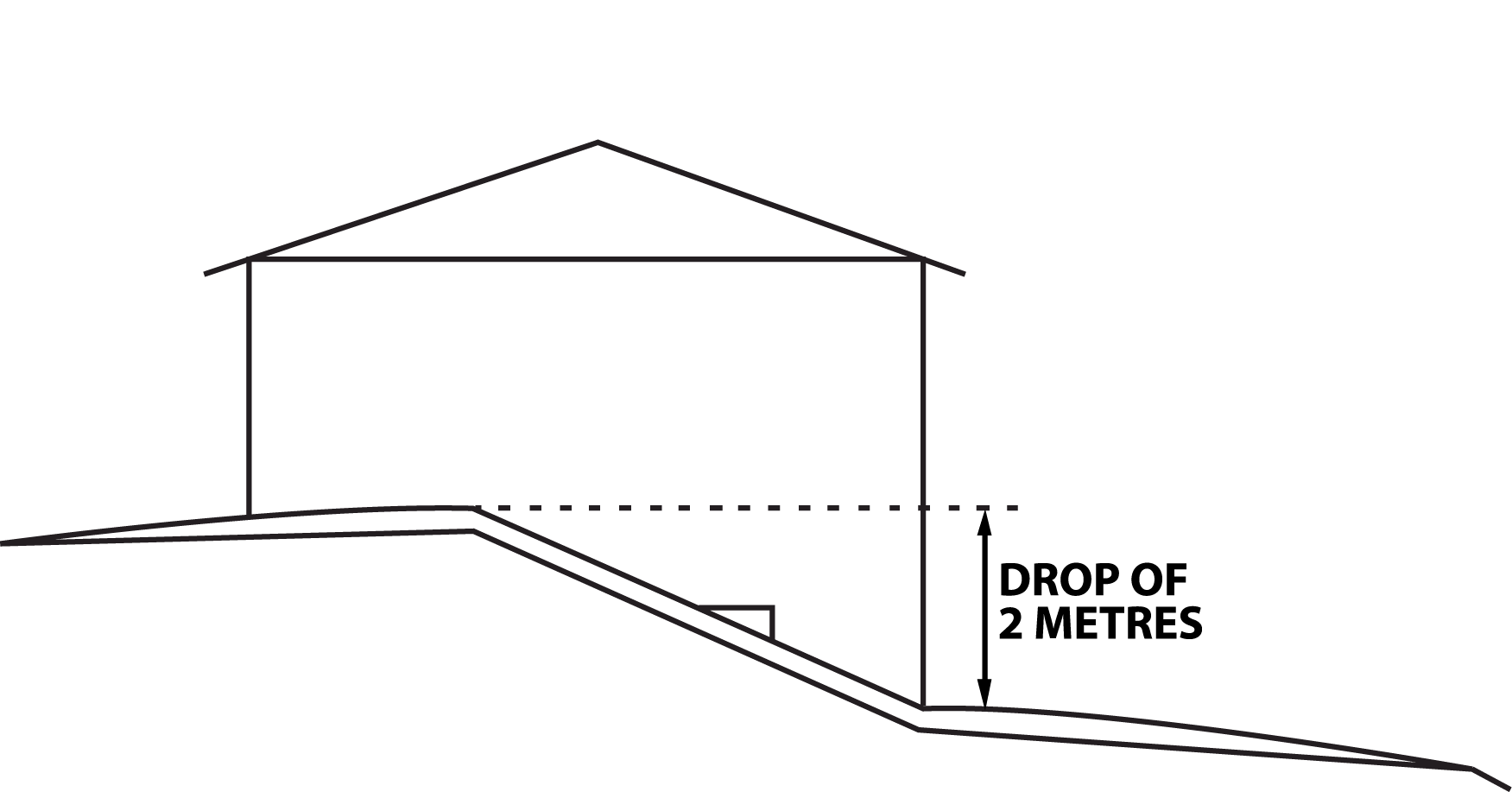
Figure 2