Bee a Pollinator Protector
The Bee a Pollinator Protector includes tips to help residents promote habitats for pollinators throughout the growing season.
Plant native flowers
Why are native plants important?
Native plants have always been here. They occur naturally in a given region, growing and evolving with the landscape as it changes over time. That is why native plants are considered the foundation of our ecosystems and are responsible for countless ecological functions that keep us and the environment happy and healthy.
Native plants:
- Help to protect biodiversity:
Ontario is home to over 30,000 different types of plants and animals but they’re running out of places to live. Because of ongoing habitat loss, especially in Southern Ontario, about 270 of these species are now considered “at risk.” By planting native plants in your garden, you can give these species the best conditions to thrive in your area!
One-third of the food we eat relies on pollinators! These are the bees, butterflies, and other insects that our crops need to grow and without them, we wouldn’t have most of our favourite foods. Native plants attract pollinators and provide them with food and shelter.
Native plants can add just as much colour to your garden as other flowers can! They’re also accustomed to the soil, moisture, and weather of your area and therefore, require less maintenance overall. No need for extra water, fertilizer, or pesticides!
Examples of native plants are:
- Black-eyed Susan (rudbeckia hirta)
- Common Milkweed (asclepias syriaca)
- Butterfly Milkweed (asclepias tuberosa)
- Wild Bergamot (monarda fistulosa)
- Dense Blazing Star (liatris spicata)
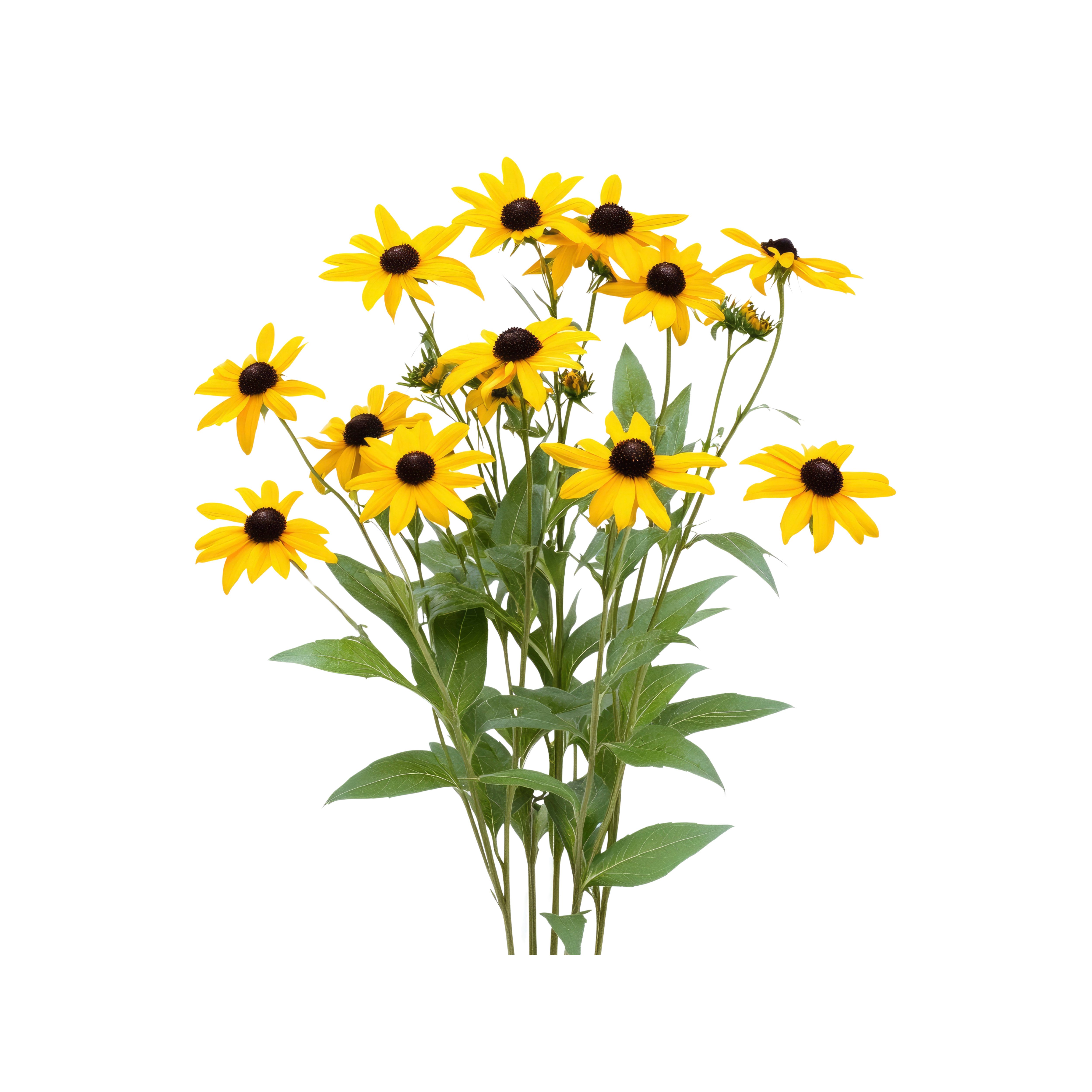
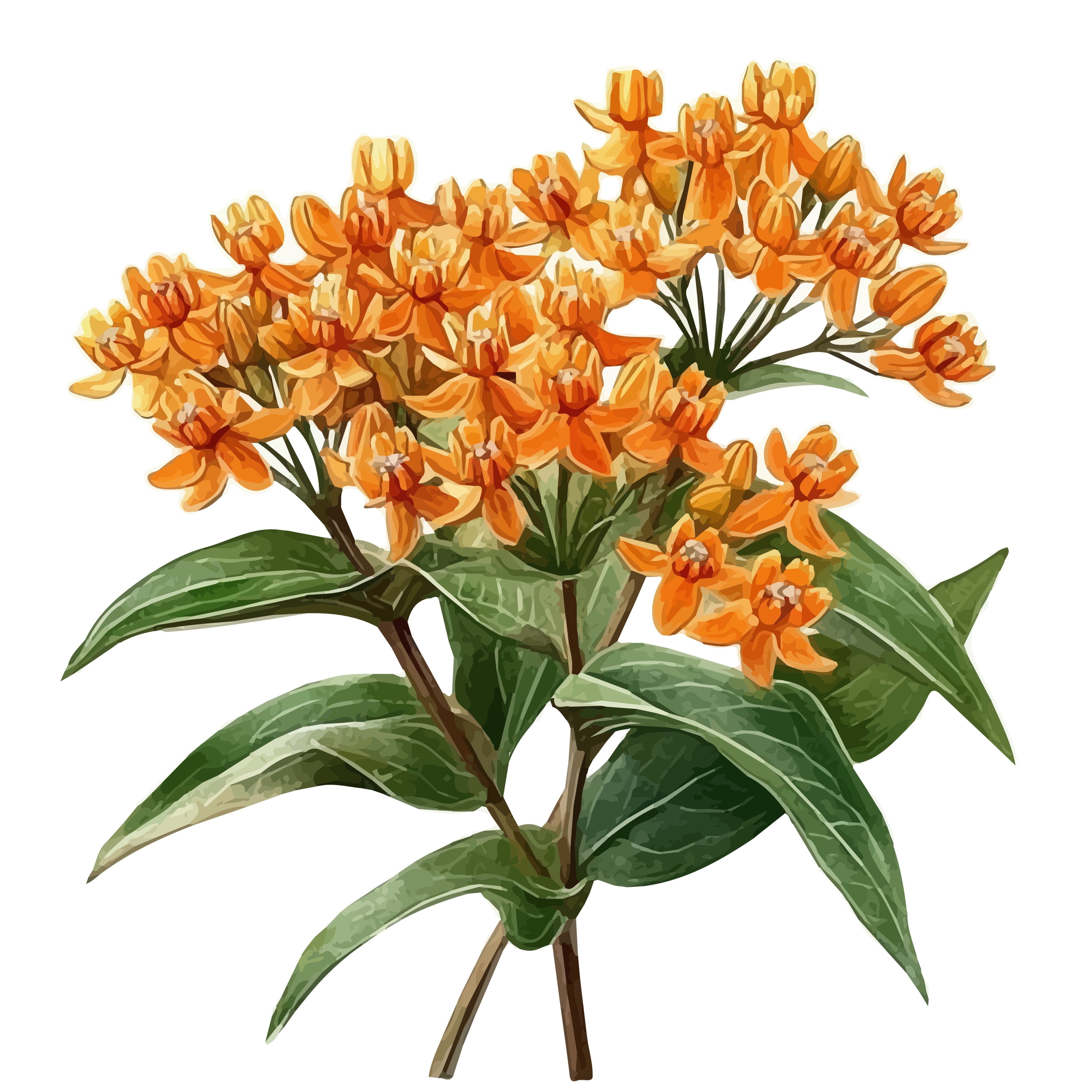
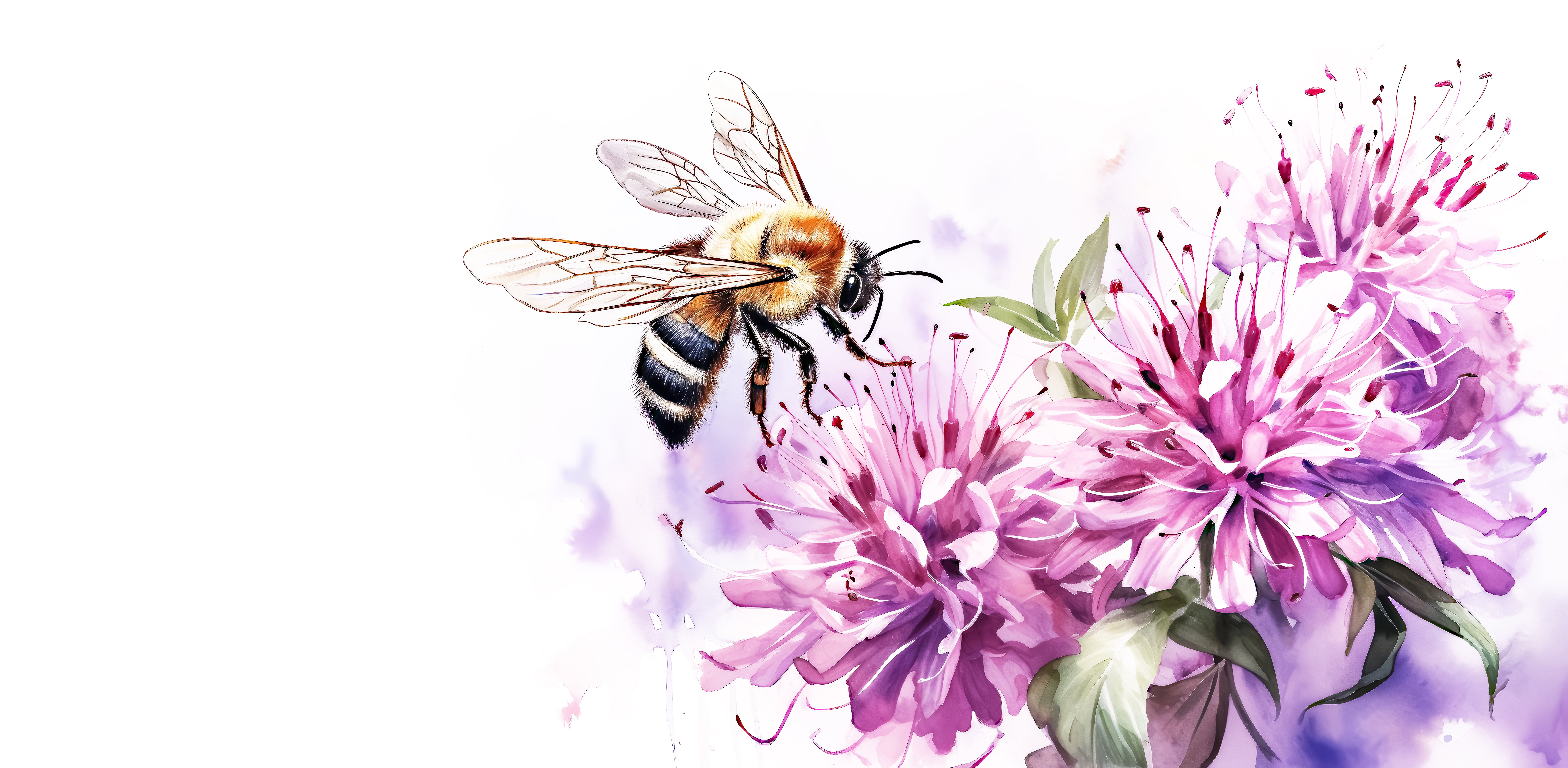
Care tips for these native flowers
No Mow May
No Mow May is an option to help support pollinators during spring as they look for their first food sources of the season (normally dandelions or other weeds/flowers), places to hide, and protection from night-time frost. Having longer grass, or leaves, around your yard gives them a safe place to shelter.
The goal of this initiative is to prevent the disturbance of overwintering insects and amphibians that may be burrowed or hiding in leaves and lawns and to increase food sources for pollinators. Unseasonably warm temperatures may lure them out of hiding and they need a place to retreat to.
You can help pollinators by:
- Avoid or reduce mowing lawns until June,
- Mow at the highest setting,
- Leave the cut grass on the soil to provide a layer of protection and natural fertilizer as the grass degrades,
- Leave a portion of the lawn unmown, it can be a section of your front yard, a corner of your backyard, a strip, etc.,
- Leave a fine layer of leaves on the soil to serve as shelter for insects and amphibians,
- Plant native flowers,
Our goal is to promote conversations about biodiversity protection and how small actions can make a difference.
The Town and the EAC would like to continue learning and engaging with the community to consider initiatives to promote and enhance habitats for pollinators and healthy ecosystems for all residents. We encourage residents to look at Pollinator and Native Plant Gardening Resources to see a full list of ways to help feed the bees!
The Canadian Wildlife Federation has a similar initiative underway. You can also learn more about the David Suzuki Foundation Butterfly Way initiative, here.
How can you participate?
To register for the challenge, please complete the online form. Those who donate minimum of $20 will be entered into a draw and receive a lawn sign to show your neighbours to bee a pollinator protector. All donations will go to the David Suzuki Foundation Butterfly Way.
Once registered, you can pick up your sign in Customer Service Desk at the Civic Centre during regular business hours. Please return signs to Customer Service at the Civic Centre by the end of June.
Residents with mobility issues can request to have signs delivered to their home by emailing the Environment team.
Prize
Participants who donate a minimum of $20 using the online form will be automatically entered into a draw for a gift basket from Queensville Farm Supply and Country Store, valued at $150. You are asked to submit a photo of the action taken and by the end of the season the Committee will draw a winner.